Green Fluorite Meaning: Wood Element Crystal
What Is Green Fluorite
Green fluorite is a variety of calcium fluoride (CaF₂) colored by trace rare earth elements, with a Mohs hardness of 4. In the Wu Xing (五行) Five Elements system, it belongs to Wood. When BaZi (Eight Characters, 八字) identifies your Yong Shen (用神) as Wood, green fluorite is the recommended main stone for both general and love intents.
You’ve probably seen green fluorite and found it appealing. But few sources explain what it represents in the BaZi Five Elements system, which birth charts it suits, or which crystals create directional conflicts with it. This piece breaks it down from both a mineralogy angle and a BaZi framework angle.
Contents
- Mineral basics
- Five Elements role and Yong Shen
- Which BaZi charts benefit
- Pairing and conflicts
- How to choose and wear
Mineral Basics
Green fluorite is the green variety of fluorite, a calcium fluoride mineral (CaF₂). The name fluorite comes from the Latin fluere, meaning “to flow”, a reference to fluorite’s long use as an industrial flux (fluorspar) in metallurgy, where it lowers the melting point of metal ores to make smelting more efficient. The word “fluorescence” itself is derived from fluorite: it was one of the first minerals systematically documented to glow under ultraviolet light, and that optical phenomenon took its name from the mineral.
Mineralogically, green fluorite belongs to the halide mineral class. Chemical formula: CaF₂ with trace rare earth elements responsible for the green color. It crystallizes in the isometric system, typically forming cubes or octahedra. Mohs hardness is 4, notably lower than quartz (7) and most common gemstones. This affects selection and wear, covered in the final section. Major producing regions include Mexico, the United States, Germany, and Spain.
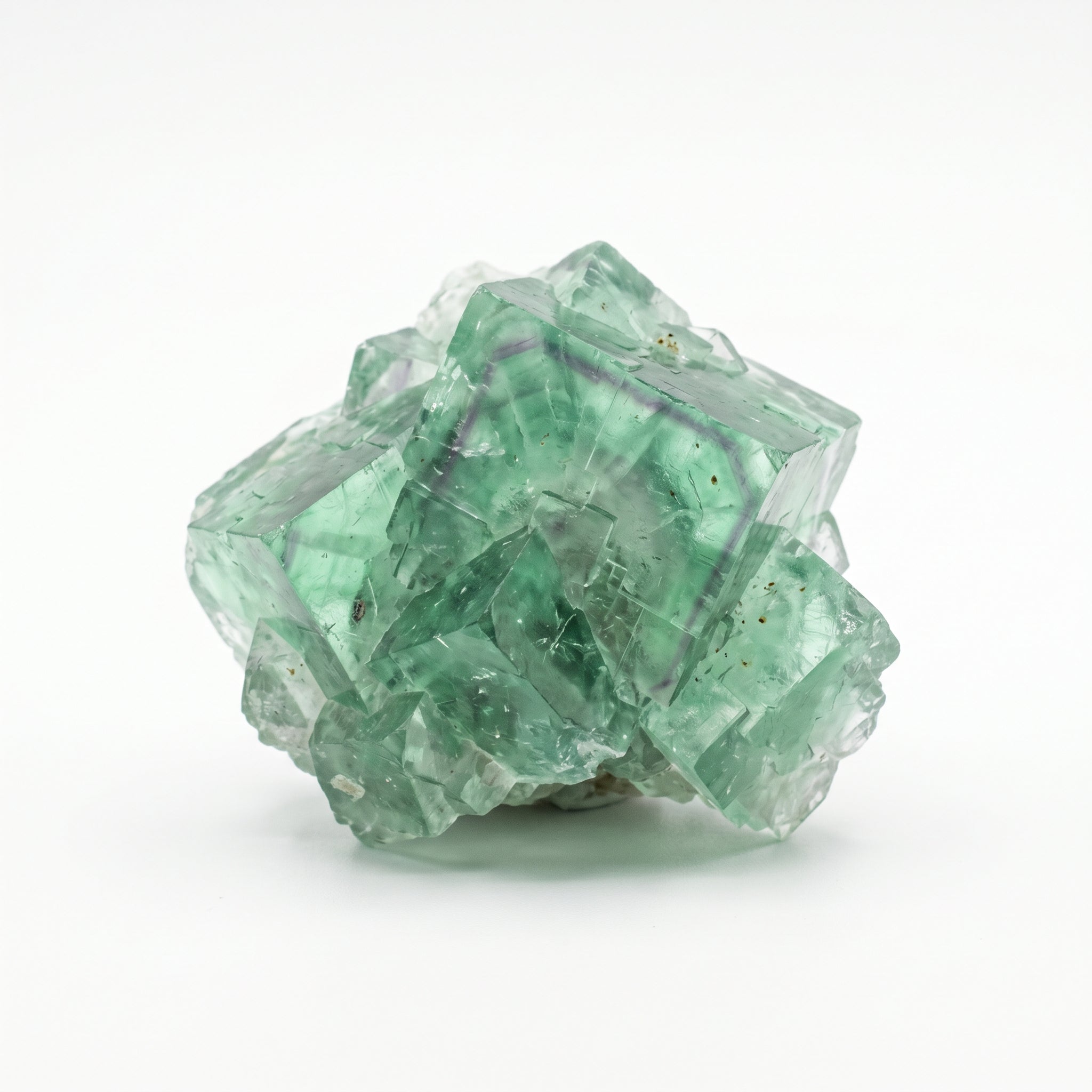
Natural green fluorite ranges from pale mint to deep emerald-like green, and commonly shows color banding, alternating layers of different intensity as a result of trace element concentration variation during crystal growth. Common imitations include green glass (Mohs 5.5, harder than fluorite) and green calcite (Mohs 3, softer). Jade (jadeite, Mohs 6.5-7) is another easy confusion: jadeite is significantly harder, has a glassy luster, and doesn’t have fluorite’s characteristic color bands. Green fluorite’s luster is resinous rather than glassy.
Five Elements Role and Yong Shen
In the Wu Xing (五行) Five Elements system, green fluorite belongs to Wood. Wood corresponds to growth, upward momentum, and steady sustained output over time. It maps to the liver, spring, and the east direction in traditional Chinese frameworks. Green-colored minerals are attributed to Wood in the Five Elements system.
The Ziping School classical text Di Tian Sui (滴天髓, late Yuan/early Ming Dynasty) states: “Take the day stem as the central pillar; take the Yong Shen of the monthly command as the measure; read the chart’s advance and retreat through the movements of year and time.” This passage establishes the methodological core of how the Yong Shen is identified, and why the monthly command is the primary lens for evaluating which element a chart most needs.
In the Mio&Gem tool, green fluorite is the main stone for the Wood element across both general and love intents. When the BaZi algorithm determines your Yong Shen (用神) is Wood and your INTENT is general or love, green fluorite is the recommended stone. The wealth-intent Wood stone is Xiu jade, so the two Wood-element stones together cover all three intent scenarios.
Yong Shen is not simply “the element with the lowest percentage.” It is a composite judgment based on Day Master strength, monthly command energy, and generation-restraint dynamics. The full logic is in What Is Yong Shen.
Which BaZi Charts Benefit
The core condition for green fluorite: Yong Shen is Wood, INTENT is general or love.
Yong Shen being Wood means the chart’s overall structure identifies Wood as the energy most needed. When the Day Master lacks Wood support, when the monthly command doesn’t reinforce Wood, or when overall Wood energy in the chart is low, the algorithm is more likely to identify Wood as the Yong Shen.
The What Wood Element Means post describes the common pattern: when Wood is low, the sustained drive to push things through the middle stages of a project tends to run thin. The starting energy is often fine, but follow-through becomes the friction point. For the love intent specifically, Wood feeds Fire in the generation cycle, Wood-element support for Fire-element crystals means green fluorite is not only a direct Wood supplement but also a generative input toward the Fire energy that maps to warmth and connection in relationships.
If Wood is already strong in your chart, the Yong Shen won’t be Wood, and the tool won’t recommend green fluorite. Run a BaZi reading to see your current Yong Shen.
Pairing and Conflicts
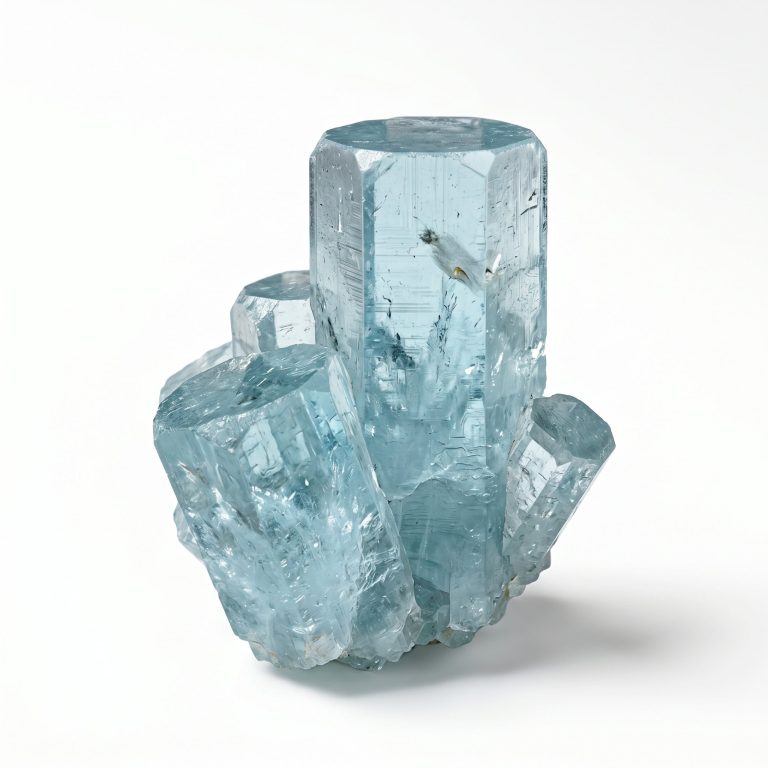
Green fluorite is Wood. Pairing with Water-element crystals follows Water-feeds-Wood logic: Water provides sustained input to Wood, giving the main stone a continuous supply. Aquamarine (Water element, general intent) is a natural companion for general-scenario layering.
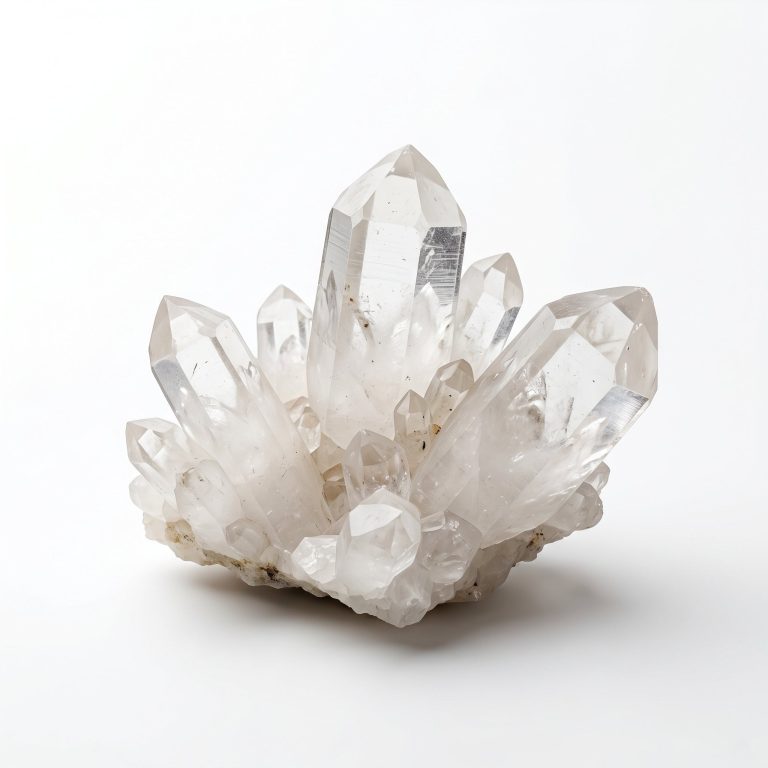
Pairing with Metal-element crystals (clear quartz, white phantom quartz, white moonstone) brings Metal-restrains-Wood dynamics. If your Yong Shen is Wood, carrying significant Metal-element energy in the same set creates a directional conflict. When uncertain about your chart’s preferences and avoidances, complete a BaZi reading first.
Fire-element crystals (amethyst, strawberry quartz, rose quartz) sit in a Wood-feeds-Fire relationship with green fluorite. Green fluorite is on the giving end of that dynamic: it feeds Fire, not the other way around. This creates no directional conflict, but if your Yong Shen is Wood rather than Fire, the primary focus should stay on Wood-element stones.
Xiu jade (Wood element, wealth intent) shares green fluorite’s elemental direction. Wearing both creates no elemental conflict; the choice between them depends on which intent context fits your current situation. For the full picture of how elements interact, see Wu Xing Generation and Restraint.
How to Choose and Wear
When selecting green fluorite, color saturation and the quality of color banding are the main reference points. Pale mint green reads as light and understated; deeper emerald-toned specimens have more visual presence. Neither is better in quality terms. Color banding in natural specimens is a normal growth characteristic, not a defect.
The most important practical consideration: green fluorite has a Mohs hardness of 4, significantly lower than quartz-family crystals (hardness 7). This means it scratches more easily and is more susceptible to chipping on impact. Specific precautions: avoid wearing it alongside harder bracelets on the same wrist where contact friction occurs; store it separately in a soft pouch rather than mixed with other stones in a hard container; avoid wearing it during activities involving physical impact or abrasion. Green fluorite is well suited for light daily wear, but needs more care than quartz-family stones.
To confirm whether Wood is your Yong Shen, run a BaZi reading. If the reading returns green fluorite, check the wood element collection to see available styles.
FAQ
Green fluorite has a Mohs hardness of 4, is it fragile?
More so than quartz-family crystals, yes. The practical concern is scratch resistance and chipping on hard impact. For daily bracelet wear, the main precautions are: don’t layer it alongside harder stones on the same wrist with friction, store it separately in a soft pouch, and skip it during high-impact activities. With reasonable care, hardness 4 is workable for everyday wear.
Why does green fluorite cover both general and love intents?
In the Mio&Gem tool, both general-intent and love-intent Wood-element slots map to green fluorite, because the elemental direction (Wood) is the same for both. The wealth-intent Wood stone is Xiu jade. The tool assigns which stone to show based on your INTENT selection; the elemental logic behind green fluorite applies equally in both scenarios.
Will green fluorite fade over time?
Some fluorite color is sensitive to prolonged UV exposure, certain specimens can lighten under extended direct sunlight. Daily wear and indoor storage are unaffected. The practical precaution is the same as for other colored stones: avoid leaving it in strong direct sun for extended periods.
Does green fluorite glow under UV light?
Many fluorite specimens, including green fluorite, do show fluorescence under UV light, blue-violet glow is common. This is the optical phenomenon that gave fluorescence its name. It’s not relevant to daily wear but is a useful tool for identification: green glass imitations don’t fluoresce in the same way.
To find out whether Wood is your Yong Shen, run a BaZi reading. If the tool returns green fluorite, Wood is the direction your chart needs most right now.