How to Tell Real Gemstones from Imitations in a Bracelet
A crystal bracelet cannot reliably be authenticated by colour, temperature or a quick scratch test. Glass, resin, dyed minerals, treated natural stones and laboratory-grown material may look similar in photographs. The most useful first step is to ask what material a seller claims to be using and whether any treatments or imitations are disclosed.
Start with the exact mineral name
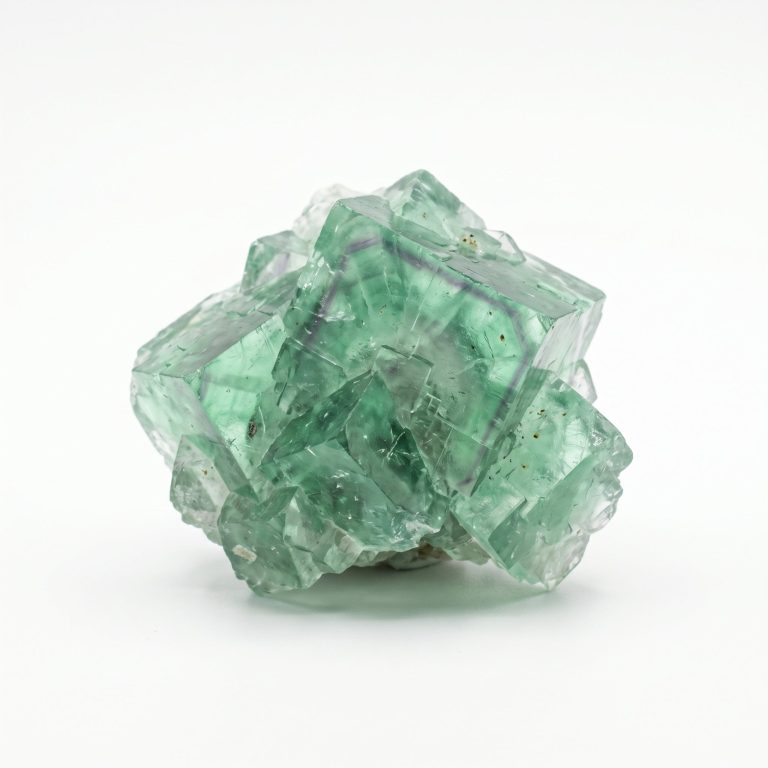
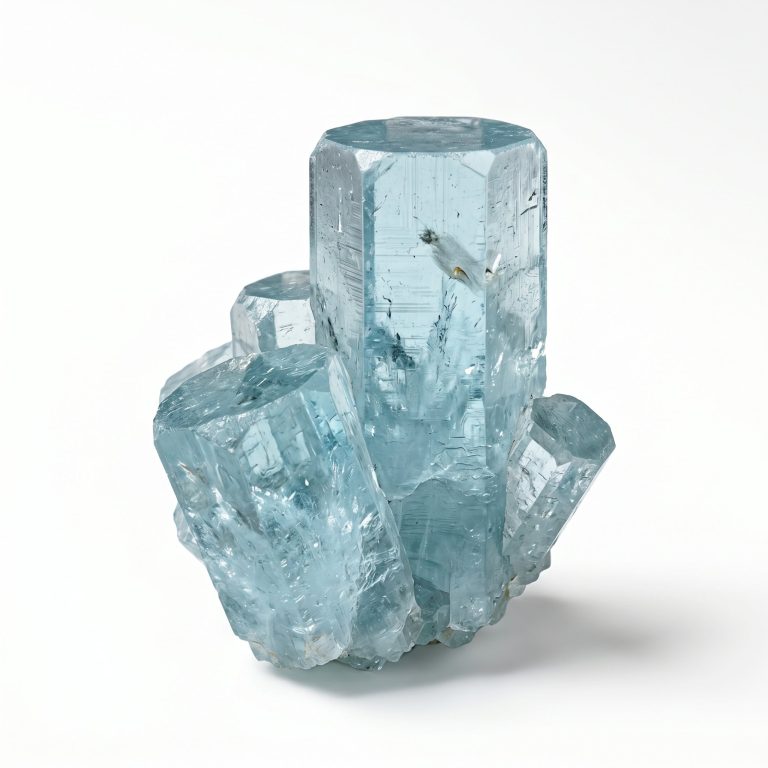
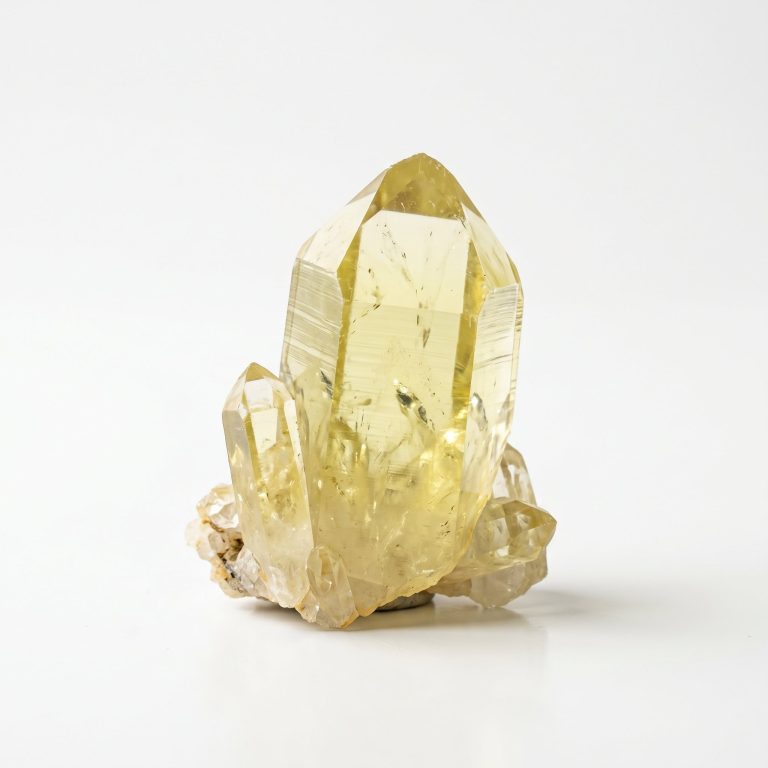
“Crystal” is a broad retail term, not a guarantee of mineral identity or origin. Quartz, fluorite, moonstone and aquamarine are different mineral materials with different properties. Ask for the actual stone name and the available information about treatment or enhancement. A broad phrase such as “natural gemstone” is not enough to verify every bead.
Why appearance alone is not proof
Some natural stones have visible inclusions, colour zoning or variation. Some genuine stones are visually uniform; some imitations are intentionally made to show inclusions. Neither “perfect clarity” nor “small imperfections” authenticates a bracelet. High-quality photographs help you judge appearance, not chemical composition.
Do not scratch, heat or soak a bracelet to test it
Mohs hardness describes a mineral’s resistance to scratching, but DIY scratch tests can damage a stone or its finish. Temperature tests are also unreliable because glass and natural stone can both feel cool. Hot needles, acids, saltwater and boiling water can damage stones, coatings, adhesives and metal details. These are not appropriate tests for finished jewellery.
Ask about treatments and construction
Dyeing, heating and other treatments are common across some gemstone categories. Treatments are not automatically evidence of a fake, but clear disclosure helps you make an informed choice. Check the bracelet’s stated materials, metal accents, size and return policy. Compare the actual product photographs rather than relying on generic stock images.
When professional identification matters
If you need independent confirmation of a particular mineral species, treatment or natural versus laboratory-grown origin, ask a qualified gemmological laboratory what can be established for the specific sample. A visual impression or online checklist cannot replace instrumental testing.
Choosing a piece you will wear
Mio&Gem pairs natural stones with designed proportions and jewellery details. The Five Elements can guide a personal selection, but that cultural framework does not authenticate a mineral or guarantee a physical effect. See how to choose a bracelet, how to care for it and the current collection.
Personal selection, without exaggerated promises. Discover your Mio Reading to explore the Five Element direction used to select your stone.